

Introduction
- Explain why mood tracking is important for emotional awareness and personal growth.
- Mention how consistent tracking helps identify patterns and triggers.
Tracking your mood daily is a simple but powerful way to gain emotional clarity. By noticing how you feel, when, and why, you can better manage stress, improve your habits, and nurture a calmer, more balanced life. Here are five practical ways to track your mood every day.
Main Content — 5 Methods
1. Mood Journaling
- Write down your feelings, thoughts, and daily experiences in a notebook or app.
- Helps identify recurring patterns and emotional triggers.
2. Mood Scale Rating
- Rate your mood from 1–10 each morning or evening.
- Provides quick quantitative insights into emotional trends.
3. Color-Coded Mood Tracker
- Assign colors to different moods in a calendar or journal.
- Visualizes patterns at a glance.
4. Voice Memos
- Record short audio reflections about how you feel.
- Great for those who prefer speaking over writing.
5. Digital Tracking Apps
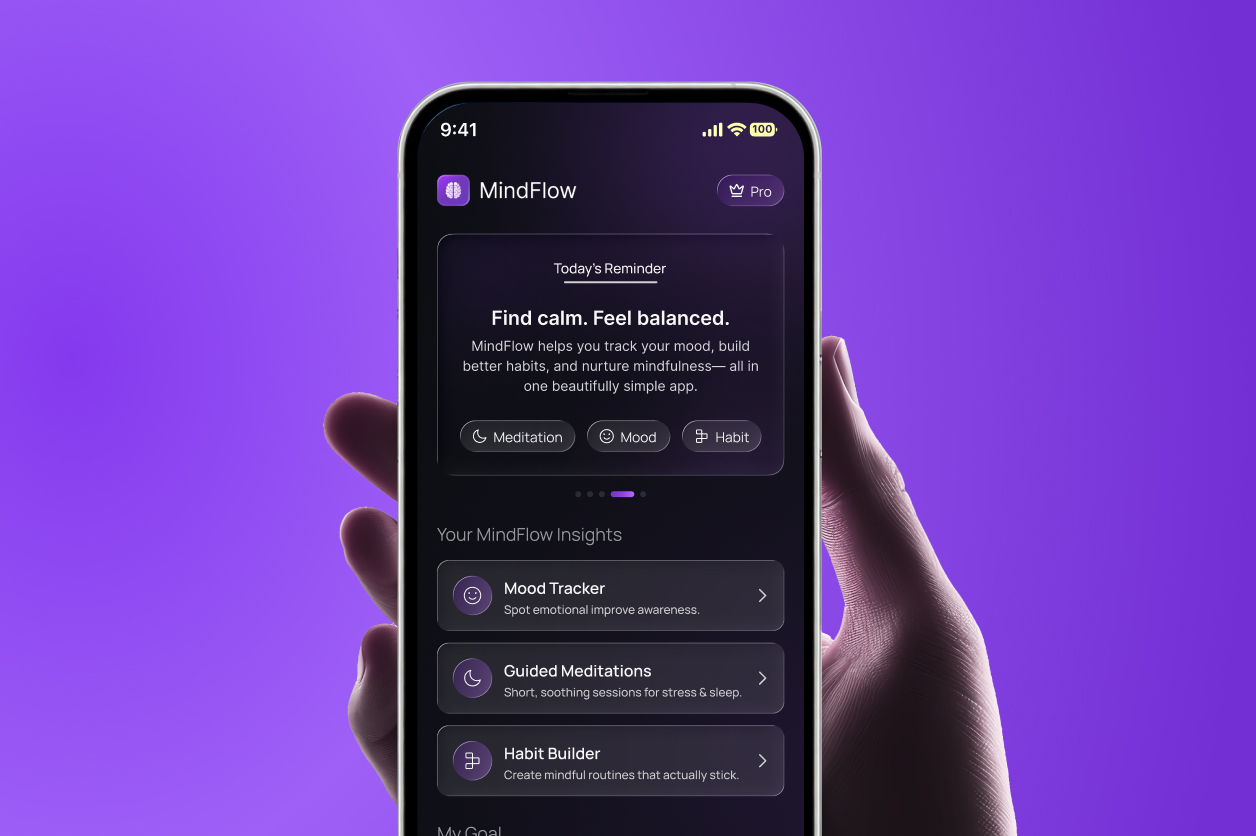
- Use apps like MindFlow to log moods, add notes, and visualize insights.
- Offers guided prompts and data-backed insights for mindful growth.

No items found.
Tips
- Keep mood tracking consistent — try the same time daily.
- Be honest with yourself; no judgment.
- Review your mood patterns weekly to notice trends.
Encourage readers to use MindFlow for daily tracking.
Start tracking your moods today with MindFlow and gain insights to improve your daily emotional balance.